
You are currently browsing the category archive for the ‘Peer support’ category.
Every year on International Women’s Day, I write a post about the incredible women in the diabetes world doing remarkable things for the community. I’m going to link to some of them at the end of today’s post because they highlight some truly brilliant women making a difference in the lives of so many, and their stories should be told, and contributions shared.
But today’s post isn’t about that. Today’s post is more about the way that women in diabetes often get treated. I should point out that a lot of what I’m writing about isn’t unique to diabetes. It’s seen time and time again in healthcare, and in health communities. But my space is the diabetes world, and that’s what I write about, so here goes.
So-called ‘women’s issues’ continue to be under-represented in research. Those issues and concerns are dismissed and ignored, and women are simply told to ‘deal with it’. Sexual function can be as relevant for women as it is for men with diabetes, and yet, do a search using the words ‘sexual dysfunction and diabetes’ and you’ll need to scroll a long way into the 32,000,000 results before women are mentioned.
I have sat on panels and been spoken over, and sat in audiences as I’ve watched women be spoken about and over. Last year, I spoke in a session at an international conference and then was the only PWD in the panel discussion at the end of the presentations and the chair (a male HCP) answered all questions directed at me.
Conference organising committees continue to be majority male, and award lectures seem to be more frequently given by men – and white men at that.
I sat in an online conference last year and was astonished to see that the woman whose contribution to one of the most significant advancements in diabetes tech in recent years was minimised. Thankfully a number of women in the audience corrected the misconception, and then had to deal with having mansplainers tell us all the ways in which we were wrong. (Spoiler: we were not wrong.)
I have heard so many mothers (and sometimes fathers too, but usually mothers) of kids with diabetes tell stories of being dismissed when they took their kid to the GP with symptoms of diabetes. They were told that they were imagining things, and there was no need to investigate further.
Remember the furore we saw when the IDF dared to focus women for WDD a few years ago? So many fragile egos were hurt because the challenges unique to women were centred in this ONE campaign.
I’ve been called a girl in meetings (still, at 47 years old), and seen the same happen to other women – women who are professional, qualified, experienced and absolute leaders in their fields.
And then there are the words used to speak to and about when, because of course, I’m going to talk about language.
I asked about this on my Facebook page the other day and these were some of the words and phrases that women who had called out shitty behaviour from men were called:
Angry. Aggressive. Hysterical. Dramatic. Attention-seeking. Pushy. Loud. Hormonal. Over-sensitive. Too much. Shrill. Strident. Opinionated
We’re told to calm down, moderate our words, and when we dare call out crap, we are gaslit and belittled, and told that we need to chill out.
How often do you see the same language used to describe men when they are calling out crap? It’s more likely they will be identified as brave, assertive, progressive …
In our own diabetes online community, it is fascinating to see how often this happens when women share experiences or lousy experiences, or simply have an opposing view. I have never believed that everyone needs to get along, but look at how comments, subtweets, even direct messages work and you will see the gendered language that is used to scorn and dismiss women. The label of the ‘angry woman’ is alive and well when a woman stands up. For extra credit, the ‘angry old woman’ tag adds some ageism to the sexism.
These words are used to minimise, dismiss and silence our voices. And it works. The number of women I know who have stepped away from support communities because of the way they have been spoken to or about is significant.
I usually like to use this day as a chance to celebrate women, because we deserve to be celebrated. Our contributions to the diabetes world are significant. The diabetes community has been fashioned by amazing women doing amazing things.
But it has also been shaped by women being silenced, reduced and curtailed. And that also needs to be recognised.
Previous International Women’s Day posts:
2020 – Strident women
2019 – Interweb jumble – the IWD edit
2018 – The women
2017 – Hear me roar
2016 – The F word
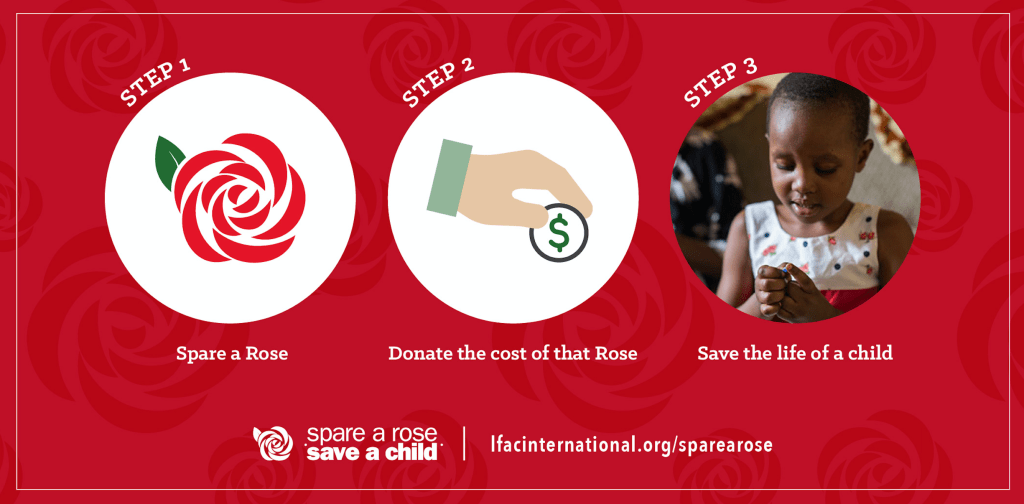
Each February since 2013, the global Diabetes Online Community has supported the charity Life for a Child through the Spare a Rose, Save a Child campaign. For anyone new to the DOC, or to this blog, Spare a Rose is a super simple campaign with its climax on Valentine’s Day. The idea is for people to send 11 rather than 12 roses to their loved one, and donate the money saved from that one rose to Spare a Rose. That one rose will provide a child with diabetes in an under resourced country insulin for a month. One rose equals one month. Easy!
No one owns Spare a Rose. It was created by a group of diabetes advocates from the US diabetes community and quickly spread to other countries. It is the definition of ‘by people with diabetes, for people with diabetes’ and is a beautiful and perfect illustration about what the DOC can be about when egos, arguments and debates are put aside. There have always been champions who have done an outstanding job sharing the campaign to their networks, but every single person in the DOC is part of the Spare a Rose community. Most people just go about contributing quietly, not needing to shout to the world how much they have donated, because that’s not really in the spirit of the campaign. Every single dollar, euro or pound donated is important and makes a difference.
But here is something worth shouting about: In the eight years the campaign has run, a grand total of USD$261,733 has been raised. Put in Spare a Rose terms, that’s 52,347 roses, which means that a whole year’s worth of insulin has been provided to almost 4,400 children and young people with diabetes in under-resourced countries. I still get goosebumps just thinking about that!
The most amazing thing about Spare a Rose is that it has been picked up in some really wonderful and creative ways. As well as blogs and posts across pretty much evert social media platform imaginable, there have been tweet chats, podcasts and vlogs dedicated to raising awareness and raising funds for the campaign. Talented artists in the DOC have created beautiful artwork and designs to promote the campaign. There have workplace giving campaigns. These efforts have come from every corner of the community, and have resulted in some truly astonishing fundraising totals – especially over the last couple of years.
Spare a Rose 2021 might be a little different. The effects of COVID-19 means that a lot of people who have donated in previous years may not be in a position to do so this year, which is completely understandable. ATTD has been postponed to June which means Spare a Rose can’t piggyback off this year’s conference. The last few years it’s been great to use the focus of a major diabetes conference – and its audience of a huge number of diabetes advocates – to whip up a frenzy of interest and excitement about the campaign, and to introduce it to a whole heap of PWD who may otherwise not have heard about it. We’ve been unashamedly opportunistic by running cheeky adjunct campaigns like Spare a Frown, that raised over $10,000 in just a few days. And we’ve absolutely taken advantage of being right in the face of diabetes device and pharma companies, and asked them to contribute. Which they willingly have.
And so, there may be fewer opportunities to get people to reach into their pockets to donate.
But also, we all know that diabetes doesn’t stop just because there is a global pandemic. And we know that it is people already disproportionately affected by diabetes who are doing it even tougher in times of COVID-19.
Today is the big kick off for Spare A Rose, Save a Child for 2021. It’s another chance for the diabetes community to come together and show just what it can do to support those who are living in places where diabetes is more difficult to afford and to manage; where access to healthcare, medications and diabetes consumables is a daily challenge. If you are lucky enough to live in a country where there is universal healthcare, or to have insurance that helps you afford living with diabetes, and are in a position to make a donation, please, please do.
And share! Word of mouth is important for Spare a Rose. Seeing the DOC flooded with images of roses and links to the donation page helps no end. So, here you go…click on the image below to be taken straight to the donation page. Let’s see what we can do for others in the community.
My email autoreply is on and I have a glorious four weeks of holidays to look forward to. The last time I took any time off was back in January when my family travelled to NYC. There is no travelling this year. We have a new, beautifully landscaped back garden to camp out in over the next month instead. (By ‘camp out’ I mean sit comfortably on a sun lounger and drink Pimm’s.)
My plans are simple – do as little as possible. I’ve rallied against taking any time off this year because I’ve not seen the point. Why would I take time off to simply stay within the walls that I’ve stayed within for most of the year?
That was a mistake. I should have taken some time off. I should have stepped away from the computer and from work – even if it were just for a couple of days.
And so, I’m going to truly try to log off, to not stare at my computer, or open my laptop to just write a quick thing, revise something I’ve been working on, message a friend. I’m going to remove SoMe apps from my phone so that it’s not all that simple to quickly check for an update of what is going on in the Twitterverse or the world of Facebook and Instagram.
I wanted to finish the year on a positive by highlighting some of the people who have made the DOC truly remarkable. So, this is a little Interweb Jumble of the folks in the DOC who have made the place safe, happy and continue to truly be about community. Check them out if you already don’t. Expanding your view of the DOC is important if you want to learn about more than just your part of the world.
Cherise Shockley has a new podcast…
…and you should subscribe! It’s called ‘Don’t Keep it to Yourself’ and it’s my favourite new diabetes podcast which is completely not about diabetes! Instead, Cherise is pushing people outside their comfort zones and asking them to share things that others may not know about them. I’ve loved hearing the episodes she’s already shared and had an absolute ball chatting with her.
The thing about Cherise is that she IS community. Even though her podcast is not about diabetes, it is still about people supporting and looking out for each other. Because that is who this woman is! Subscribe and listen from wherever you subscribe and listen to podcasts.
DOC friends who have made me uncomfortable – but in a good way.
First up is wonderful Steffi from Pep Me Up whose Instagram stories challenged me to look at what was going on in the world in different ways. She has been absolutely relentless in her efforts to elevate the stories of people who are forgotten or left behind and highlight the bias we inherently have. You can find Steffi on Instagram here.
And secondly, the also wonderful Tine who you can find on Twitter at @SayTine. We’ve known each other for a number of years now and we bonded over a mutual love of food. We have been allies in the language matters movement. Tine’s feminism has always been aligned with my own, but she has introduced me to different people and ideas that have made me consider some of my own ideas.
Accessible Dtech information…
…from the always enthusiastic and excited Nerdabetic. I met Kamil for the first time a year or so ago and discovered that he is every bit as awesome and lovely in real life as he is online. I love the way he makes the latest in diabetes tech accessible and relevant to tech-imbeciles like me while also making it relevant to people whose interest in and understanding of technology generally makes my brain synapsis short circuit. It’s great to see Kamil appearing in the global DOC more with appearances on diaTribe. Kamil’s YouTube channel is here.
Brilliant photography…
…from a DOC stalwart. Mike Durbin was one of the first people I noticed in the DOC when I started participating in DSMA tweetchats over ten years ago. I’ve never met him, but am always interested in what he has to say, and his thoughtful takes on the diabetes world. Mike appears in every single presentation I give about diabetes peer support and the DOC because I always share this picture. It speaks community to me.
On top of being such an integral and wonderful part of the DOC, Mike is a truly outstanding photographer and this year, I have found myself absolutely obsessed with what he has shared. You can see his work on Twitter here.
More Clever creatives
I adore the gorgeous artwork Nicole Buchanan shares on her Instagram. She absolutely nails diabetes moments with stunning designs and clever captions. I’ve shared so many of her posts because it’s like she has climbed into my head and then perfectly explained the mess in there with a beautiful illustration. You can follow her on Instagram here.
Another favourite diabetes creative is Katie Lamb, another talented illustrator who manages to capture diabetes in her lush drawings. She’ll even draw you for a small fee! Find her here.
Aussie Jenna Cantamessa continues to share beautiful drawings on her Instagram here, and she has just opened an Etsy store so you can own one of her beautiful pictures.
Special mention to dedoc for keeping PWD at conferences…
…because it would have been all too easy for us to have been forgotten with conferences going online. Bastian has done a stellar job getting DEDOC Voices up and running, offering scholarships to PWD to be part of ATTD (the only IRL large-scale conference this year), EASD and ISPAD.
CWD keeping people connected
Children with Diabetes did a herculean job of not only running hugely successful Friends for Life conferences online, but also churned out relevant content all year, and seemed to run a bazillion meetups to keep people connected. In case you missed the fireside chat hosted by Kerri Sparling about #LanguageMatters, you can play catch up here.
Spare a Rose…
…will be back next year, but I just wanted to mention the amazing efforts of the community this year as we smashed all previous records and delivered a magnificent USD$73,748 straight to Life for a Child. How remarkable is it when the DOC stops looking inwards??
The offline DOC friends who kept me going…
…are the reason that I have reached this stage of this year with some sense of balance. A huge thank you to the squad of four friends from the US & UK who have shared their lives with me throughout this clusterfuck of a year in an endless message thread that has kept me going. And the IRL friends too – with special mentions to Georgie and Jo. I am so grateful we live close to each other.
And don’t forget…
…please do consider making a donation to Insulin for Life’s Secret Santa Campaign.
Finally…
…that’s all from me for 2020. I’ll be back in the new year, but for now I am switching off and doing everything in my power to be less busy, less online and less engaged. Probably the only downside I see with Loop is how reliant it is on being close to my iPhone at all times, because honestly, I would like to let my phone battery run flat and not charge it up again until the end of January! But I am making a concerted effort to turn off and ignore notifications and be more present with the people I am so, so lucky to spend my life with. To those celebrating, have a wonderful festive season. Thanks to everyone who has stopped by. See you in 2021.
I know…it’s almost Christmas. And if you are anything like me and mine, you’ve left the run of gift buying a little late. Or you’ve wound up in lockdown. Or the thought of battling crowds is not something that you are all that keen on because there are too many un-masked bandits in the shops.
And so, here’s another little reminder that there is no need to panic because Insulin for Life is doing Secret Santa and your can absolutely buy the BEST. PRESENT. EVER. with heaps of time to spare. All without hitting pause on your Netflix binge!
It only takes $5/€5/£5 to make a real difference to a person with diabetes in an under-resourced country. That small amount will provide a week’s worth of insulin and diabetes supplies to someone who otherwise might not have them.
My family made the decision this year that in lieu of gifts for my cousins’ kids, we’d make donations instead. We absolutely adore these kids, but know that they probably won’t miss the book or book voucher we usually give them. And we also know that making a donation in their names literally means saving a life. That seems like a pretty good trade.
Without a doubt, 2020 has been horrid for many, and those doing it toughest were already likely doing it tough even before a year-long pandemic. If you are in the position to make a donation to this cause, please do. If you can share the link to the donation page with friends, colleagues and loved ones, please do.
I know that the diabetes community comes together to support our own beautifully. We’ve seen it in a million different ways. I’m hoping that in the lead up to Christmas that support will look like people making donations to Insulin for Life…and encouraging others to do the same. Please do help if you can.

Diabetes Awareness Month has come to a close and with it the blue that has washed over my social media feeds will dim a little. I had a quiet month, spending most of my time following others rather than sharing my own content. It seems to have been representative of my year in diabetes advocacy, really.
I’ve been quiet. It wasn’t planned, but it has been deliberate. And it hasn’t gone unnoticed. I’ve started and stopped and started and stopped this post for a while to answer the messages from people who have so kindly asked if I am okay. Let’s see if this is the one that sticks…
Earlier this year, I wrote about having a panic attack while on a plane after landing back in Melbourne from ATTD in Madrid. You can sort of read about it here, although I was pretty vague about what actually happened saying little more than that I turned on my phone to a million Twitter notifications about a blog post that some people had assumed was written about me and then subsequent comments. I was surprised, horrified and more than a little confused.
This came hot on the heels of a couple of other tricky situations. There was the run in with the diabetes HCP who told me to tone down (after they completely misrepresented what I had written about). And then there was another HCP rallying troops to call me out (that caused me to lock my twitter for the first time ever at the end of last year).
Anyway…the culmination of all these things resulted in the realisation that this year was going to be a lot different for me. I was going to take a massive step back from much of the work I did that was public facing. I felt that I simply couldn’t take the scrutiny that was coming my way.
Even before the panic attack on the plane incident, I was feeling unsettled. I was unspeakably nervous about the presentation I had been invited to give at the conference in Madrid. This was a completely alien feeling to me. I have been speaking publicly for decades, and for twenty years, comfortably stood on stage playing the flute for anyone who would listen. Standing in front of an audience doesn’t make me nervous. It doesn’t make me sweaty and scared. And yet, here I was wondering whether I should not go to Madrid at all to stand up on that stage. But after some ridiculous bravado as seen in this post, I decided that I had to go.
As I sat on that plane, desperately trying to recover from the panic attack that was making it difficult for me to breathe and hiding my tears from the other passengers, I had a fleeting thought that I probably should have gone with my gut feeling and stayed home!
And so, I felt that there was only one thing I could do. Forget the whole stand up thing and instead step back. I wasn’t necessarily sure what that would look like. I couldn’t stop attending and being part of diabetes meetings and conferences because that is part of my job, but I could turn down speaking engagements or anything that put me in a position where I was sharing my personal, lived experience that others might find challenging, or at odds with their own. I needed to deal with the diabetes burnout that was so, so heavy and weighing me down.
COVID-19 certainly helped with that. As the world got turned upside down, a lot of the things that I was worried about simply didn’t happen. It became easier for me to limit my interactions with people and hide away a bit more.
The feelings of burnout and anxiety about being part of the community didn’t disappear, but they seemed less urgent.
And with that came the realisation that the burnout I was feeling because of diabetes actually was not because of my diabetes at all.
Diabetes burnout has always happened to me when those constant diabetes tasks became too overwhelming; when just the thought of opening up a meter bag, or checking my CGM trace was too much to even contemplate. Burnout meant that every single number became a measure of my value and worth. I’d lose all perspective and lose all confidence of my abilities to actually do what I needed to do.
The burnout I felt now was the effort of being a diabetes advocate IN the diabetes community. It was fearing that I was being seen in ways that actually were completely inaccurate – in fact at complete odds with everything I have ever stood for – and that led me to second guess everything I said, fearing that I would be misunderstood. It was feeling vulnerable and scared and exposed in the community that was meant to support me.
I received an email from someone in the DOC who has been around for many years, and I have known (on Twitter only) who told me that because I am confident in my communication, am comfortable challenging ideas different to mine and share opinions that not everyone agrees with it, I leave myself open to criticism. And that criticism and the dialogue that follows resulted in their corner of the diabetes community being less enjoyable to him and others. All while suggesting that, unlike he, who has never deliberately set out to disagree with anyone – I seem to revel in it.
Interesting take. I don’t seek to disagree with people. But if anyone is saying something that I believe is stigmatising to PWD or minimising our experiences, I will call it out. It’s been my MO for almost twenty years.
I never replied to the person who sent me that email. I cried about it for days, however, and have it filed away and occasionally return to the half-written response that I keep meaning to finish so I can hit send on my reply. I feel it’s quite impolite that I’ve not replied to someone who took the time to write to me… But, truthfully, I am too tired, and that so-called confidence has abandoned me.
Diabetogenic is the least active it’s been since I started it close to ten years ago. That’s not because I have nothing more to write – I still write every single day, I just squirrel things away now, too afraid to share them, sticking to safer topics – research call outs, fundraising initiatives, commenting on things that aren’t controversial or taboo topics.
I started this blog because it was the space for me connect with others – not only people who were walking the same diabetes path as me, but also those who were doing things very differently. Because often, they are the people I learn most from.
It became a place I could write about those issues that were tough – the mental health challenges of diabetes, the frustrations and desperation I felt about the health system, trying to navigate through health professionals who refused to acknowledge that PWD belong everywhere and anywhere diabetes is spoken about. And it was a place that my split-apart heart was able to open up and share the unspeakable sadness that I felt as fertility issues became part of my life. I am so grateful that I was able to do that and receive the support that I so desperately needed from people who understood how the impact of diabetes on those fragile, and so, so hard parts of life shattered me into a million broken pieces. Because it was those people who helped glue me back together.
Wanting and needing that support and connection hasn’t stopped. I still seek it. I’m just a little more cautious about how I go about it these days sticking with friends and others I feel safe with rather than the wider community that doesn’t feel safe. I know where to go to get what I need.
I don’t really know what to do with this blog anymore. Feeling unable to share a lot of what I want to say is alien to me. But for now, this doesn’t seem to be the place to do it. I guess I continue as I have been – hitting publish when I feel I can, and for the next month, anyone popping by will see a lot of pleas to donate to Insulin for Life.
And I guess that will have to be enough for now.

Every morning for the last few months, my husband has posted a Facebook update on Victoria’s COVID numbers, along with a cheery message of congrats and motivation for fellow Victorians, in particular Melburnians.
My beautiful city has emerged from a long winter, spent very much not only indoors, but also within a 5km confine of our homes. The lockdown that saw us absolutely smash our second wave of COVID-19 was tough, but clearly necessary to regain control of numbers that were starting to look very, very scary.
I struggled with a lot of what was going on during that time. I am so lucky that the cocoon in which I live felt safe and secure and happy, because there was a lot going on that was not like that.
I had to stop watching the daily pressers from our Premier, not because the numbers were too overwhelming, (although the days we peaked at 700 new cases a day were tough), but rather because the media’s approach to just how present the information became too difficult to watch.
I’d already been stressed with reporting of those of us deemed high risk. That sense that we were disposable and didn’t matter with the dismissive ‘It’s nothing unless you’re old and already sick’, was a recurring theme from the moment the pandemic started.
But now it was more than that. It was the relentless negativity that was being thrown at the Premier and the Chief Health Officer that became unbearable. I realised that once I could recognise the voices and knew the names of the Murdoch hacks that hijacked the daily updates with their attempted gotcha-questions, that those who were meant to be reporting the news had become the news. I’m sure that’s not what journalists are meant to do.
Our whole state was desperately trying to understand just what was going on and how safe or at risk we were, but the loudest corners of the media seemed more focused on trying to bait politicians into admitting that they are the devil.
The same went for the way that opposition politicians who instead of being voices of support for their constituents, hampered, undermined and outright sabotaged the public health efforts that were clearly working.
This constant stream of negativity was impacting my mental health more than any curfew, needing to wear a mask, or limit to being permitted out of the house.
I also had to turn away and stop engaging completely with COVIDIOTS and conspiracy theorists who were outdoing each other with their stupidity. I still am incredulous that ‘anti-maskers’ is a thing. Except I’m not, because most of them are also anti-vaxers, and I’m pretty sure there is a direct correlation between the two. And so, I started using the mute function deliberately. Words, phrases and people that fed my anxieties because of their fear mongering were suddenly silent, and amazingly, I saw how much better I started to feel.
What I realised is that it comes down to this: in times when things are difficult and overwhelming, the fuel that keeps us going is not anger and negativity.
I am an annoyingly positive person by nature. It drives people around me nuts sometimes as I try to find the upbeat spin to pretty much everything. It wasn’t always easy during our long lockdown, but I tried.
Those daily number updates from my husband were really not about the numbers – most mornings I’d fed him the stats because I was the one tuned to Twitter until the DHHS daily update. It was the way he was sharing the news. I turned to him one morning and said ‘You’re like a cheer squad for Victoria. It’s lovely!’ I wasn’t the only one. Many people commented on how they waited for his injection of sunshine to get their day started.
Luckily for Aaron, he wasn’t the only person I was relying on for that positivity. On days where worries about diabetes-ing during a pandemic were creeping into my mind, I turned to friends in the diabetes community – both IRL and online. But again, I got smarter about how I did that. I completely isolated myself from whole corners of the DOC – again using mute – and found that my new curated DOC provided a source of support, entertainment and decent information. It’s amazing how much nicer one’s feed is without the passive aggressiveness and sub-tweeting that is just so common. (And yes, that last sentence could be considered an example of said shitty behaviour!)
The message group of my squad of four diabetes friends in particular lightened the load considerably, and helped talk me down from ledges of feeling scared and overwhelmed, with a mixture of reassuring messages, updates from their parts of the world, goofy animal pictures, sweary-ness and general inappropriateness, and a level of understanding that helped me breathe freely again.
I wonder what I’ll remember in years to come when I think back to 2020. I don’t think it will be the crappy media and sabotaging politicians. I know it probably won’t be diabetes because apart from occasionally heightened anxiety about the intersection of diabetes and COVID-19, my diabetes was manageable.
I suspect it will be the people around me – both physically and virtually – who made this dark time a little brighter. It will be my tightknit bubble of family and friends. It will be those friends who sent ridiculous memes, and made me laugh. The friends who shared pics of what they were cooking or book recommendations or how they cleverly were keeping their kids entertained while distance learning was happening. It will be the people who reached out as soon as Melbourne went into lockdown to ask how we were coping.
And so, now as there is so much more light here in Melbourne (both literally and figuratively) I’m keeping all of this close. Who knows where this pandemic will take us, or if there is a third wave coming? But if there is, perhaps I’ll feel better prepared, and know what to do.

For more information (all Australian sites):
Diabetes conferences and scientific meetings in 2020 have looked very different than in previous years. It looked as though we were off to a flying start with a successful ATTD in Spain back in February. But not long after all the attendees returned to their corners of the globe, the world turned upside down and decided that, along with everything else, in-person meetings were done.
Major professional conferences such as those run by ADA, DUK, EASD, ISPAD, ADS & ADEA and IDF have all either happened, or will be happening, virtually, with a Zoom (or other) platform being where we meet, rather than a massive conference centre in a major city.
As ever, I search for a silver lining and if there is one it is this: the pivot to virtual conferences means that some of the main barriers in the way preventing PWD attending diabetes conferences are somewhat reduced. With travel, accommodation and a lot of the other expenses out of the way, it may be easier for advocates who would like to attend to find their way in. Let’s look at that as the disruption we needed to have to get PWD flocking to meetings in droves.
There is still the matter of registration passes, and we know that is not always the easiest thing to overcome. The registration fee is significant, and some conferences only allow HCPs and researchers in. Usually, press passes provide a way to get passed security, but they require letters of assignment (sometimes from diabetes organisations who ask PWD to act as ‘on the ground’ reporters), or other criteria be met. And, of course, there are invitations to attend satellite events extended from device and drug companies to some advocates. While there is often criticism at these methods, they have meant that there are PWD at conferences, many of whom provide information back to the community.
At ATTD, there was a new way in. Advocacy group #dedoc° launched a new program, #dedoc° voices, which you can read all about here. For the pilot of the program in Madrid, the diabetes advocates whose applications were successful had access to all parts of the meeting.
#dedoc° voices is happening again for EASD (coming up next month), and it’s not too late to apply. And as an added bonus, successful applicants will also receive registration to the ISPAD conference in October. ISPAD is the International Society for Pediatric and Adolescent Diabetes, so if you are a parent of a kid with diabetes involved in advocacy and peer support, you may be super keen to attend this one.
To apply, go here. #dedoc° voices is open to PWD now, so if you have always wanted to attend a major diabetes conference, there is nothing stopping you from applying, right now. Any one from anywhere around the world can apply – the only consideration is how you’ll manage time zone horrors if you don’t live in the same zone as the conference. (But please don’t come crying to me about that – I’ve spent the last six months settling in for hour long meetings hosted out of Europe of the US which begin long after sunset and involve perky people just waking up while I yawn and struggle not to fall asleep in my Zoom square!)
What are you waiting for? Apply now and come be a part of one of the biggest diabetes meetings in the world. I promise there will be lots of other PWD there for you to (virtually) meet up, and share ideas with. Come say hi!
Disclosure
I am an advisor to the #dedoc° voices program. I do not receive any payment for this role. 





 Diabetogenic