
You are currently browsing the category archive for the ‘Stigma’ category.
How do you describe diabetes? I vary from ‘an inconvenience’ to ‘an effing pain in the arse’ and lots in between.
I’m all about words. Language is very important to me and I spent a lot of time crafting messages about living with diabetes that balances the ‘this is shit’ component with the ‘this is just life’ side of things.
One of the reasons that getting the language right is actually not so much for the people living with diabetes – we know the details and we know the words we choose to describe it. No; it’s for others. Because when we get the language wrong, we start to open ourselves up. To discrimination, stigmatisation, misinformation and negative perceptions.
It’s for this reason that I refuse to use the word ‘disability’ when talking about MY diabetes. There is much written about and debating ‘is diabetes a disability’ and I am definitely not qualified to really enter this discussion in any other capacity other than ‘this is my opinion’. And my opinion is coming from someone who has 16 years of diabetes under her belt with no significant physical or mental complications because of diabetes.
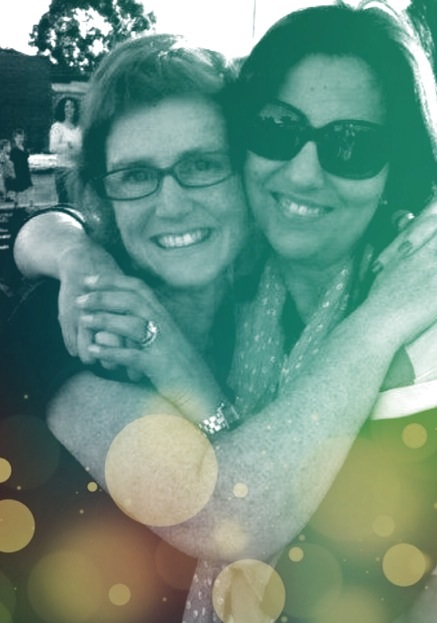
However, my beautiful, gorgeous friend and neighbour Jo is an expert here, so I called her and yelled ‘help me understand this!’ Jo has type 1 diabetes (believe me – there is a blog somewhere about two people with type 1 living two doors down from each other….) and is a speech pathologist who has worked in the area of disability for a long time. She’s clever, compassionate, direct and doesn’t mess around with words. Jo will hate me for saying this, she has recently been recognised with a nomination for a life-time award for working in the field of disability. She’s more than kind of awesome.
Jo suggested I start by having a look at the World Health Organisation’s definition of disability. This sent me into a world of pain because there were words I simply didn’t understand when put with other words and you know, comprehension.
So, I yelled at her some more (it’s what people do when they don’t understand) and here’s what Jo said that made sense to a fool like me:
JO: Renza (you stupid chicken who may make decent brownies but you’re pretty bloody simple, really). What I’m trying to say is that the social model of disability says the disability doesn’t belong to the person with the condition (that would be considered the disability) – let’s say someone with cerebral palsy, for example. It belongs to the environment. The environment doesn’t allow for the disability to be accommodated. People with diabetes can accommodate themselves – carry or buy sugar if they are low is a basic example of accommodation.
RENZA: So, is it like this? The environment accommodates my particular needs. If I was sitting an exam, I could take time to check my BGL or treat a low or take an extra loo break if necessary. But if I had a condition that didn’t allow me to physically or mentally sit for the three hours required to do the exam or have the capacity to understand the questions being asked then I’d be considered as having a disability?
JO: You’re simple, but yes. Now go make me some brownies.
Of course, diabetes throws all sorts of things into the mix including complications that may result in disability. But for me as diabetes affects me now, there is no reason that I consider the fact that my beta cells decided to shut up shop and move to the tropics as a disability.
I see diabetes as a ‘delayer’ at times. There are times that RIGHT NOW it stops me doing what I want, but this is generally remedied quickly (sometimes, not-so-quickly) and I can do whatever it is I planned to do.
The reality of life is that people face challenges of varying degrees. I’m leaving the last word to the clever Jo who says: Some people have challenges that can relatively easily be overcome and others (perhaps someone with a profound and multiple physical and intellectual disability), can’t live, without considerable effort from their environment to keep them alive, and if they are lucky have some kind of quality of life. It’s all relative!
I’m very interested to hear what others think about this. Where do you stand? Do you have an opinion? Do you consider or refer to your diabetes as a disability?





 Diabetogenic